
Anorexia Treatment
If restriction, rules, and fear around food are taking over your headspace, we’ll help you find a safer, steadier way forward – without shame, and with support around you.
- Bespoke care: Psychological, nutritional and medical expertise
- Experienced team: 20 years of evidence-based care
- Safe environment: Compassionate, respectful support
DO ANY OF THESE FEEL FAMILIAR?
You don’t need a diagnosis or a label to reach out – if any of this resonates, we can help you take the next safest step.
- Restricting, skipping meals, or feeling afraid of certain foods
- Feeling driven by rules, rituals, or the need to be “in control”
- Intense fear of weight gain or eating more than planned
- Compulsive exercise, or guilt/anxiety when you rest
- Constant food noise, calorie tracking, or obsessive thinking
- Body image distress, checking, avoidance, or comparison
- Feeling high-functioning on the outside, but exhausted inside
RECLAIM YOUR LIFE
Anorexia can shrink your world and make life feel rigid, pressured, and exhausting. With the right support, many people begin to experience meaningful changes over time, such as:
- Rediscovering a steadier relationship with food and your body
- Building coping strategies for anxiety, perfectionism, and control
- Strengthening self-worth and self-compassion
- Feeling more present in relationships and everyday life
- Reducing obsessive thoughts and rigid rules gradually, at a manageable pace
GETTING STARTED
We’ll help you begin with what’s most pressing right now. Some people start with therapy to work through emotional and psychological drivers, while others begin with nutrition support to build a steadier eating structure. As you progress, we can coordinate additional support around you, so you’re not trying to piece it together alone.
BOOK A FREE 20-MINUTE DISCOVERY CALL
Choose a time for a confidential, no-pressure call.
We’ll listen, understand what’s been going on, and help you clarify the safest next step – including whether you’d benefit from therapy, nutrition support, or more specialist/integrated care.
Confidential • No pressure • Clear next steps
How It Works
Step 1 — Book a free call
Choose a time that works for you. It’s confidential and there’s no pressure to commit.
Step 2 — Free 20-minute discovery call
Tell us what’s been going on and what support you’re looking for. We’ll gently check what feels most important right now and whether we’re the right fit.
Step 3 — Clear next steps + clinician match
We’ll recommend the safest next step and keep the plan simple (therapy and/or nutrition first), then match you with the right clinician. If we think another service is safer or more appropriate, we’ll tell you.
Watch (0:57): Sarah from our Client Services team explains what happens on the free discovery call.
Prefer to enquire first? Send us a message
FEES & PRICING
Prefer to review pricing first? Explore our clear fees and package options.
HOW WE HELP — AN INTEGRATED TEAM, TAILORED TO YOU
You don’t need to figure out what to book – we’ll recommend the safest next step and keep the plan simple, then coordinate any additional support if needed.

THERAPY
Therapy provides a safe space to explore what’s underneath the restriction – anxiety, perfectionism, control, self-worth, relationships, and coping – and to build healthier ways to feel safe and in control.
NUTRITION & DIETETICS
Our nutritional support guides you in restoring balanced eating patterns, gradually helping you reduce fear foods and redefine your relationship with food in a realistic, supportive way.

MEDICAL / PSYCHIATRY
Psychiatric assessment of wider mental health factors may be useful, with medication management if required. Integrating care with our therapy and nutrition teams.

JOINED-UP CARE
Working closely with your NHS GP, medical monitoring can be done in a shared care model to ensure physical health is carefully monitored and maintained throughout your journey.
MEET CHRISTINE, OUR ANOREXIA CLINICAL LEAD
Christine shares how we work with anorexia treatment at WeightMatters – and what a supportive first step can look like.
Doctify reviews reflect HealthMatters Group client feedback across services
TRUSTED, CONFIDENTIAL SUPPORT
Many people tell us the hardest step is reaching out – these are a few words from clients about what it was like to be supported.
“Making those initial calls is terrifying, so it’s really lovely to have a kind person on the other end of the line… makes all the difference.”
– Milly
“I have been consumed for years by my weight… being trapped in an endless cycle of either eating nothing or eating everything. For the first time, I felt properly listened to and properly understood.”
– Karen
“The therapy I’ve received… has been life-changing… After 38 years of… disordered eating, and poor body image, I finally feel optimistic about healing my relationship with food and my body.”
– Laura
“James has been instrumental… I’ve gone from using food as a way to control fear, to understanding how my eating habits are connected to emotions and past experiences.”
– Thomas
“I feel… more empowered and able to deal with my eating issues… I’m feeling hopeful and less in the thrall of food.”
– Carol
Selected feedback from WeightMatters clients. Individual experiences vary.
SOPHIE – DOES THIS SOUND FAMILIAR? High standards, pressure to cope, and a private pattern of restriction that started to feel impossible to loosen.
Sophie’s story is one many people recognise – using restriction to manage anxiety, control, or difficult emotions, while feeling increasingly exhausted and alone.
- Pressure and high expectations: restriction began as a way to feel “in control” or get things right
- Rules tightening over time: more foods feel unsafe, and routines become rigid
- Fear of weight gain: eating more can feel terrifying, even when part of you wants change
- Isolation: avoiding meals, social plans, or anything that involves food
- Impact on life: energy, mood, relationships, and confidence begin to suffer
Readiness for support: wanting a safe, non-judgemental space and a plan that feels manageable
ANOREXIA TREATMENT
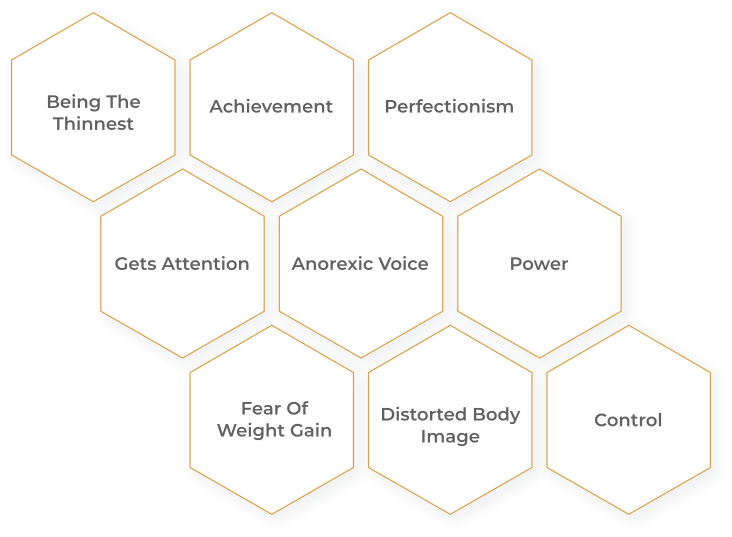
Whether you’re noticing early signs of anorexia or looking for outpatient anorexia treatment after things have become more severe, we’ll help you understand the safest next step and guide you with compassionate, clinician-led support.
Anorexia Support – Early Stages
If you feel like things are starting to spiral, restrictive eating and control around food or weight can begin to feel like the only way to cope.
Early intervention can make a real difference: we’ll help you slow things down, understand what’s driving the pattern (including fear foods and food anxiety), and develop safer ways to manage emotions and life stress – gradually, at a pace that feels manageable.
Anorexia Support – Later Stages
If anorexia has become severe, you may have needed inpatient or intensive support, or you may be worried about physical risk.
At this stage, private anorexia treatment in a joined-up outpatient setting can be crucial – combining psychological support, nutrition guidance, and medical monitoring for anorexia when needed.
We’ll help you rebuild steadier routines, reduce obsessive thinking over time, and strengthen self-worth and confidence in daily life.
WARNING SIGNS & COMMON EFFECTS
Anorexia can look “fine” from the outside — but inside it can take a serious toll on your mind, body, and relationships.
Behaviours You Might Notice
- Restricting, skipping meals, or cutting out food groups
- Obsessive calorie counting, weighing, or rigid food rules
- Food rituals (e.g., excessive chewing, rearranging food)
- Avoiding eating with others or making excuses to miss meals
- Compulsive exercise, or needing to “burn off” food
- Withdrawal from friends, family, and usual activities
Thoughts & Feelings That Often Come With It
- Intense fear of weight gain or eating outside your rules
- Anxiety, guilt, or shame around meals
- Body image distress, checking/avoidance, comparison
- Perfectionism, rigidity, “all-or-nothing” thinking
- Low mood, irritability, emotional numbness
- Feeling trapped, isolated, or like you’re living a double life
Many people appear high-functioning on the outside – and still need support.
Eating difficulties are rarely just about food. They’re often shaped by stress, emotions, life pressures, relationships, and how we cope – and support can help you untangle what’s underneath.
Package Options & Add-Ons
Depending on what you need, you may also choose one of these structured options – and we can help you decide what fits best during your free discovery call.
FAQs
If you’re unsure where to start, but some of the descriptions on this page resonate with your experience, these answers may help – and you can always book a free discovery call to talk it through.
Yes. Anorexia involves restriction and intense fear around food/weight/body image. Many people struggle with “atypical anorexia” where they may not appear underweight, yet the behaviours, distress, and health risks can still be serious. If restriction and fear are taking over your life, it’s worth getting support.
Many people do need nutritional rehabilitation to restore physical health and improve mental clarity. Exactly what that looks like is individual. We’ll talk sensitively about safety and next steps, and we’ll never force a one-size-fits-all plan.
Yes. Fear of weight gain, body change, and loss of control are common in anorexia. Therapy can help you understand the fear, reduce obsessive thoughts, and build safer ways to feel in control – so progress feels more manageable.
It’s a confidential, no-pressure conversation. We’ll ask what’s been happening, what you’ve tried, what feels most difficult right now, and what you want to change. We’ll then suggest clear next steps – including whether you’d benefit from therapy, nutrition support, or additional medical input
Often both can help, but not always at the same time. In your discovery call, we’ll recommend the safest starting point – therapy first, nutrition first, or a simple combined plan – and match you with the right clinician.
You don’t need to be at a crisis point to deserve support. Many people with anorexia appear high-functioning while privately struggling. If restriction, fear, and rules are dominating your headspace, it’s worth reaching out.
You can still get support. Outpatient care can be helpful at different stages – including support after inpatient treatment or during longer-term recovery – with joined-up therapy, nutrition guidance, and medical oversight if needed.
Many people experience discomfort, bloating, or anxiety when increasing intake. This can be part of the body adjusting. We’ll guide you gently and practically, so changes feel manageable and supported.
Both can work well. Some people prefer the privacy and convenience of online sessions; others feel safer meeting in person. We’ll help you choose what’s most supportive for your situation.
Yes. Your enquiry and sessions are confidential. We’ll explain how confidentiality works and when we might need to share information for safety reasons (for example, if there’s immediate risk). In day-to-day terms: you can speak openly and safely, and we’ll be clear about boundaries.
CLINICAL STANDARDS & HOW WE WORK
We follow clear clinical standards so you know what to expect – from confidentiality and consent, to safe next steps and appropriate signposting.
How We Work
- Clinician-led, evidence-informed support tailored to your situation
- Confidential, respectful care with clear boundaries and consent-led communication
- Integrated support where helpful (therapy, nutrition, and medical oversight when needed)
- Collaborative care if appropriate – we can liaise with your GP/consultant, with your permission
- Appropriate onward signposting if you need a different type of support or a higher level of care
- Privacy and data protection – see our Privacy Policy
Safety Note – If you’re feeling at immediate risk of harm or having suicidal thoughts, please seek urgent support via 999/A&E, 111, or your GP.
We follow internal clinical governance and safeguarding standards; details are available on request.
Content owner: James Lamper, Clinical Director
Clinically reviewed by: Dr Natascha Van Zyl, Director of Talking Therapies
Last reviewed: February 2026
RELATED SERVICES
Explore these support options we may recommend as part of your care.
Therapy • Dietitian Support • Nutritional Therapy • Psychiatry • Healing Disordered Eating
NEURODIVERSITY POSITIVE PRACTICE
We aim to create a space where every brain is understood and respected – including sensory sensitivities, anxiety, and rigid patterns that can overlap with eating difficulties.
IF IT FEELS EASIER, EMAIL US
Have a question before booking? Leave your details and our Client Services team will reply with a personalised response. Confidential and no pressure.